HO Project
Hélio Oiticica was undoubtedly one of the most restless and revolutionary Brazilian artists. An Apollonian mind in a Dionysian body. On one hand the viewpoint of an engineer and on the other the lightness of a dancer. Hélio came into this world like a hurricane and left us a very different one.
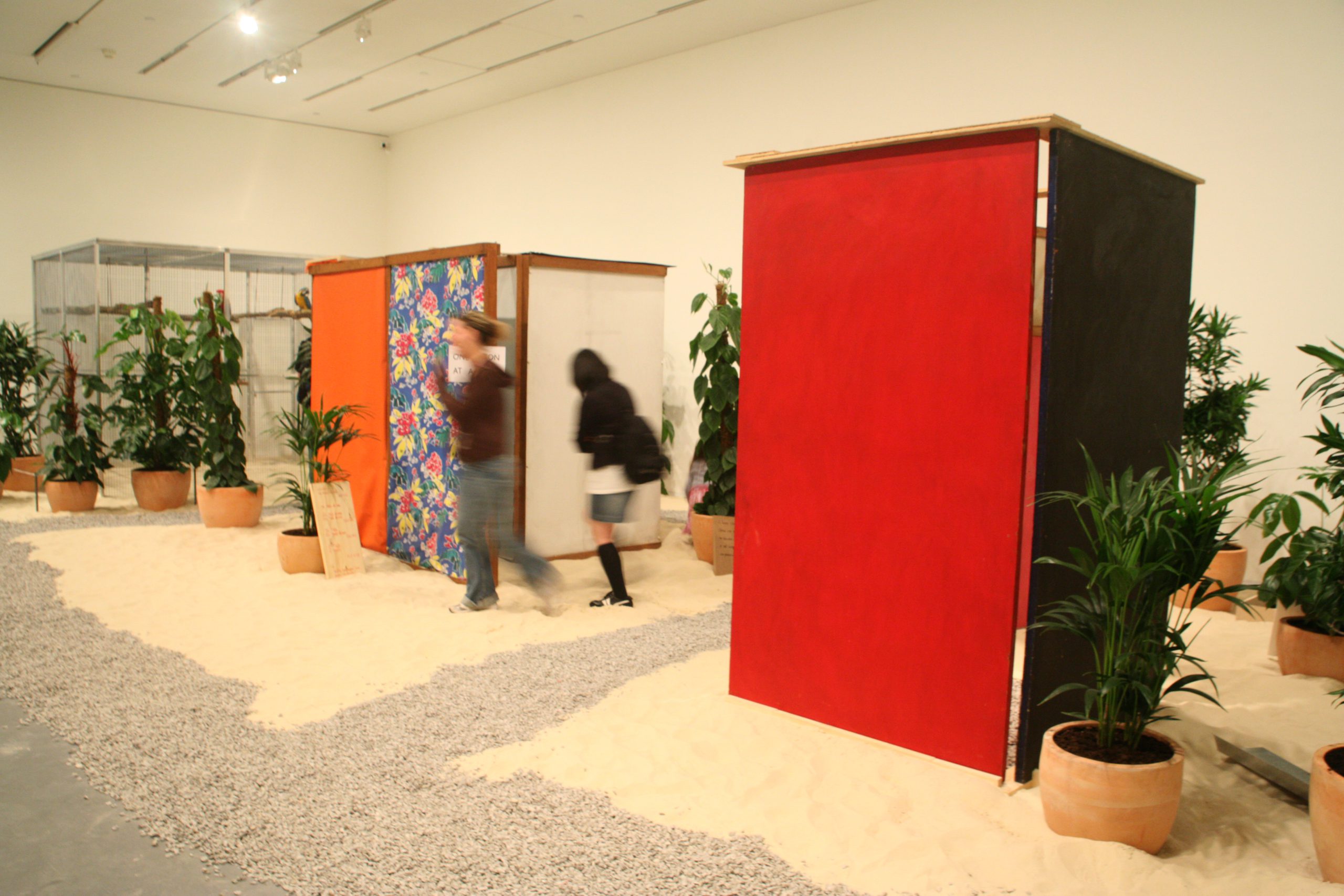
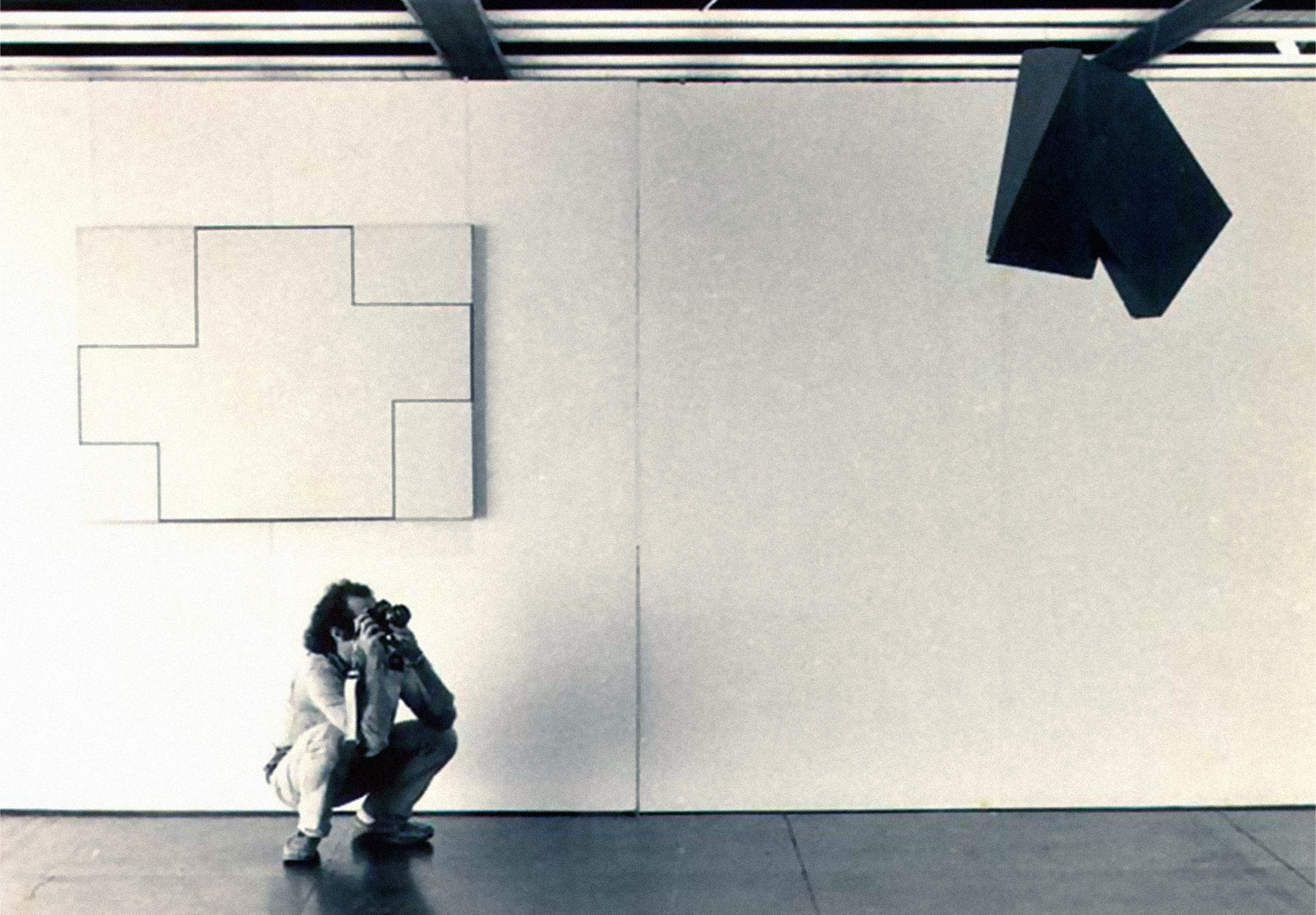
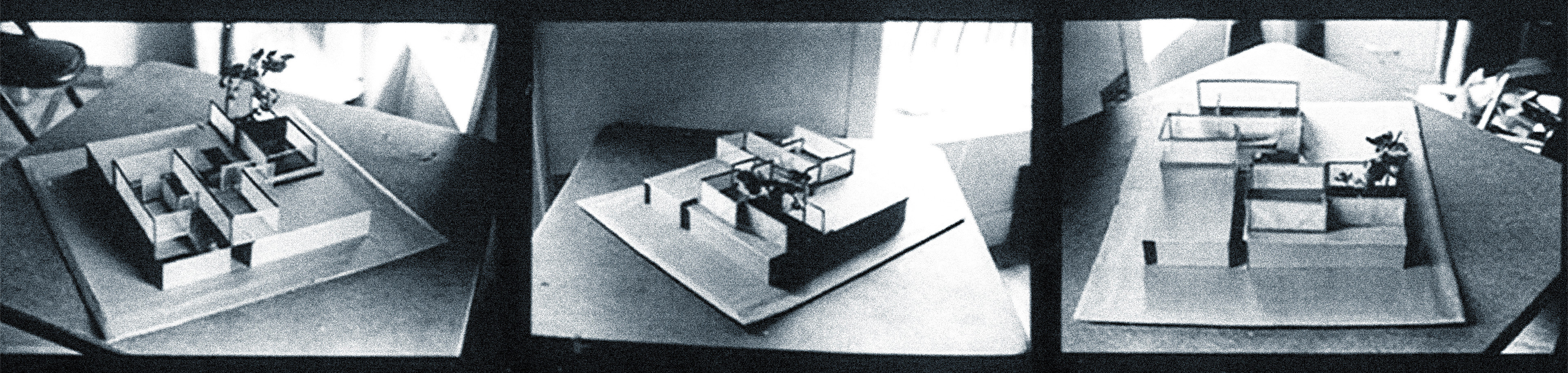
His career was marked by an explosion of shapes and movements that took on a new dimension at every moment. He shifted from the flat surface of the painting to Objects; then, from Objects to Environments; and, finally, from Environments to the most unpredictable of dimensions, Life itself, human movement, and the unpredictability of a person entering an artwork.
Hélio was a breaker of boundaries, an artist always willing to know what existed on the other side. His relentless search within art forms had everything to do with his unsettling and even frightening way of living his life. We could feel his sense of urgency, his need to speed up all processes, as if it was necessary to experiment with all languages before they died of indifference.
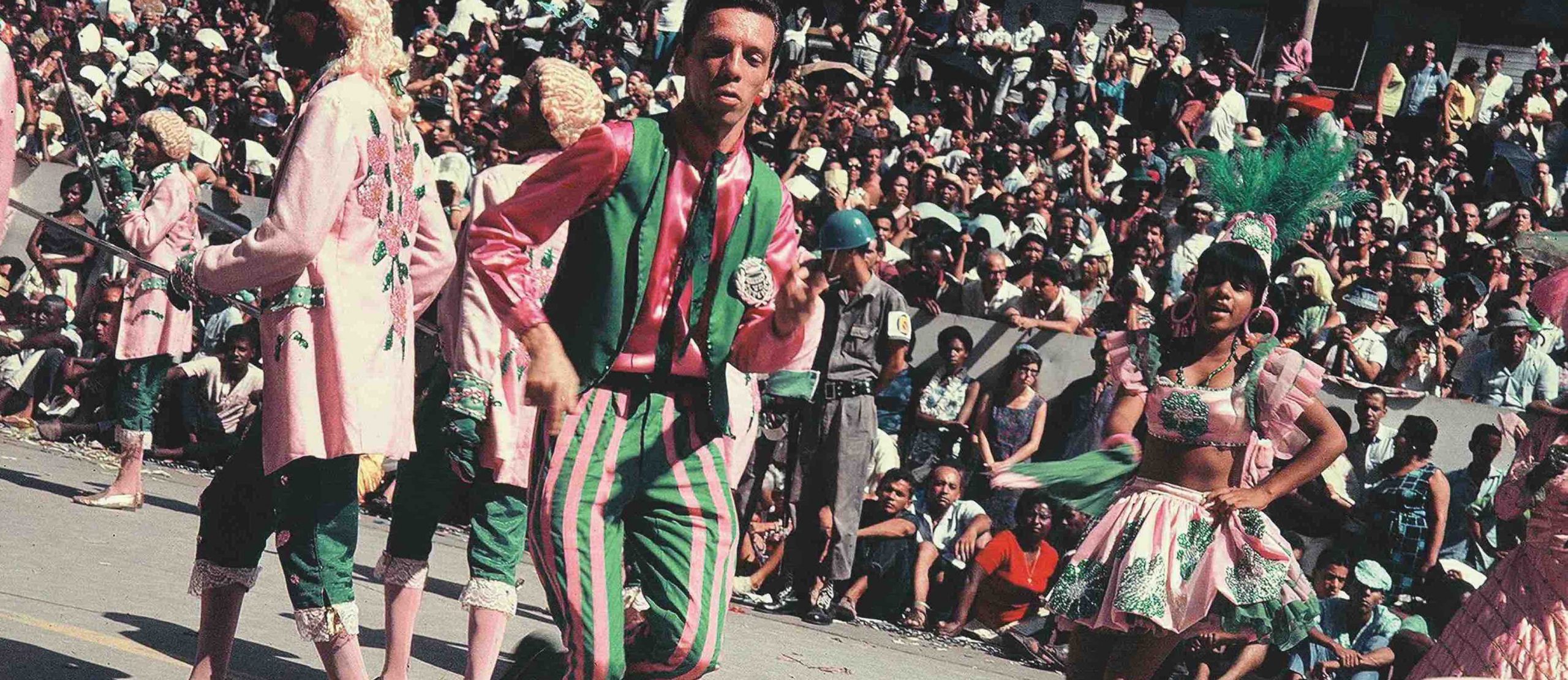
In his most sensory moments, his work is the story of those who dance samba during carnival, those who, to enjoy that moment, play with objects, textures, surfaces, for the sake of dressing up. And when the party is over, he also tells the story of those who die from stray war bullets, of those who serve as scapegoats to appease collective guilt. One of his works contributed to the name of the Tropicália movement, which, among many other contributions, brought Brazilian popular music and visual arts closer, with experimental classical music and avant-garde poetry. Tropicália became a symbol of a moment in Brazil and of all the artist’s work. A symbol of a cultural clash between two hemispheres, between two continents, a clash between forces that come and go, that stay for a while only to leave again, a true force of nature that lifts into the air those who are willing to go through this sea of images, signs, themes, and aspirations.
Ultimately, it must be said that Oiticica’s art is still current, and can still fulfill a literary role. An art that goes against the current setback of values, represented by the resurface of segregation, extremism, hatred, racism, homophobia, and by attempts to legitimize the repression of freedom and sensuality.
By Juca Ferreira, Former Minister of Culture.